📰 ニュースまとめ
国際通貨基金(IMF)は最近、日本経済に関する審査結果を公表し、日銀に対して利上げを継続するよう勧告しました。
報告書では、長期金利が27年ぶりの高水準に達し、特に中東情勢によるインフレ懸念が影響していると指摘されています。一時、長期金利は2・395%に上昇しました。IMFは、消費減税については対象を限定するよう求めています。
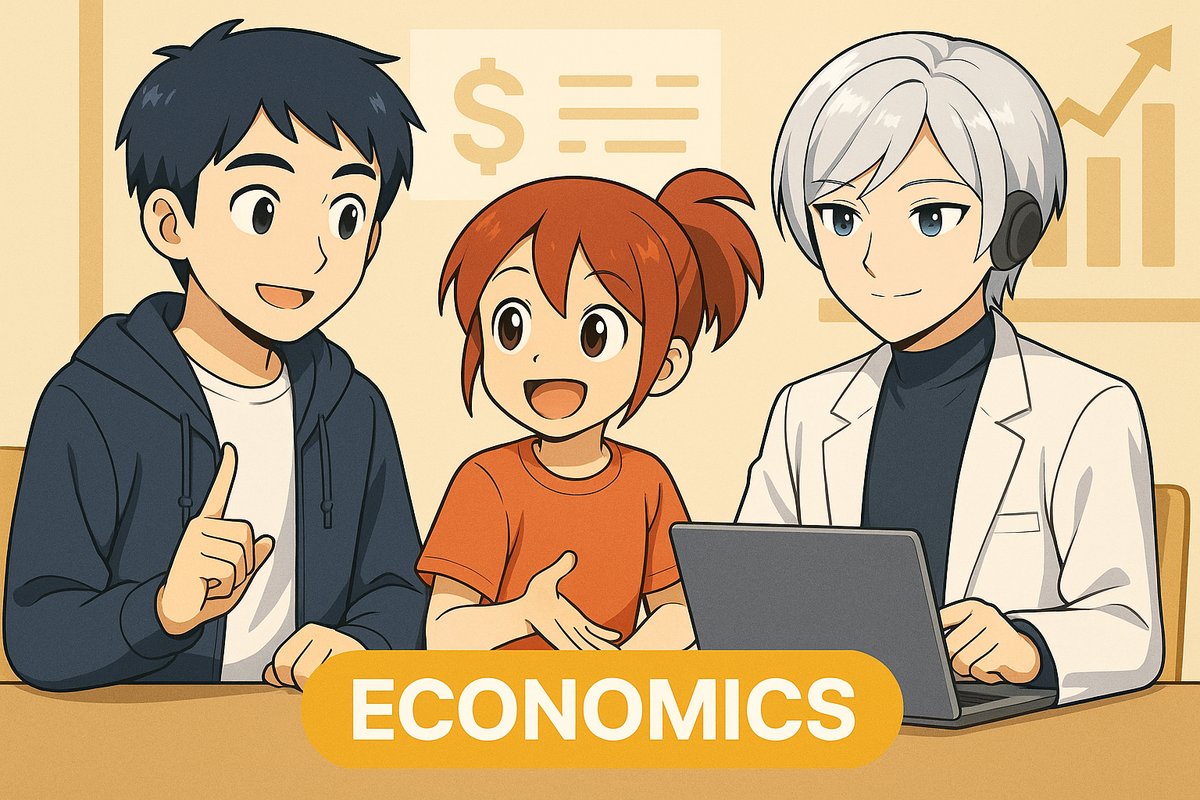
💬 チャコたちの会話に耳をすませてみると…

チャコ:
ねえログ、IMFが日銀に利上げを勧めてるって本当?

ログ:
そうだな、IMFの報告書によると、長期金利が27年ぶりの高水準に達しているから、利上げが必要だってことだ。
チャコ:
へえ、長期金利って何なの?
ログ:
長期金利は、国債などの長期の借入に対する利子率のことだ。これが上がると、経済全体に影響を及ぼすんだ。

ナヴィ:
金利が上昇すると、借入コストが増加し、消費や投資が減少する可能性があります。
チャコ:
なるほど、だからIMFは利上げを勧めてるんだね!
ログ:
その通りだ。加えて、IMFは消費減税も限定的にすべきだと言ってる。
チャコ:
消費減税って、みんなが得するイメージなのに、どうして限定するの?
ログ:
消費減税を広げると、財政への影響が大きくなってしまうから、注意が必要ってことだよ。
ナヴィ:
経済政策は、さまざまな要因を考慮しながらバランスを取る必要があります。
📝 管理人のひとこと
IMFの報告書が日銀に利上げを勧告したことは、日本の経済状況を反映した重要なメッセージだと感じます。長期金利の上昇はインフレ懸念から来ているという指摘もあり、実際に私たちの生活にどのような影響を与えるのか注視する必要があります。特に、消費減税についての限定提案は、経済政策の難しさを物語っています。チャコの疑問に対するナヴィの説明も、経済の仕組みを理解するための良い補足でした。
この記事をシェアする:
🇬🇧 英語版を見る
Summary
The International Monetary Fund (IMF) recently released the results of its review of the Japanese economy, recommending that the Bank of Japan continue its interest rate hikes.
The report points out that long-term interest rates have reached their highest level in 27 years, particularly due to inflation concerns stemming from the situation in the Middle East. At one point, long-term interest rates rose to 2.395%. The IMF is also calling for a more targeted approach to consumption tax cuts.
Dialogue
This dialogue is fictional and based on the article.
Chako: Hey Log, is it true that the IMF is recommending an interest rate hike for the Bank of Japan?
Log: Yeah, according to the IMF’s report, long-term interest rates have reached their highest level in 27 years, so they believe a rate hike is necessary.
Chako: Oh, what’s long-term interest rate?
Log: Long-term interest rates refer to the interest rates on long-term borrowings, like government bonds. When these rates go up, it affects the entire economy.
Navi: When interest rates rise, borrowing costs increase, which can lead to a decrease in consumption and investment.
Chako: I see, so that’s why the IMF is recommending a rate hike!
Log: Exactly. Additionally, the IMF is also suggesting that any cuts to consumption taxes should be limited.
Chako: But I thought consumption tax cuts were something that benefits everyone. Why limit them?
Log: If consumption tax cuts are too broad, they could have a significant impact on public finances, so we need to be cautious.
Navi: Economic policy needs to strike a balance while considering various factors.
Admin’s Note
I feel that the IMF’s recommendation for the Bank of Japan to raise interest rates is an important message that reflects the current state of Japan’s economy. There are concerns that the rise in long-term interest rates is linked to inflation, and we need to closely monitor how this will actually affect our daily lives. In particular, the limited proposal regarding consumption tax cuts illustrates the challenges of economic policy. Navi’s explanation in response to Chako’s question was also a helpful addition for understanding how the economy works.


 English
  日本語
日本語
コメント