📰 ニュースまとめ
日本の10年金利が約30年ぶりに3%を突破しました。
この背景には、海外金利の上昇や日銀の利上げ観測、さらに財政政策の影響が大きいと考えられます。特に、米国やドイツの金利も上昇しており、日本の金利上昇は経済構造がデフレからインフレへと移行する中での自然な現象とも言えます。また、27年度予算の概算要求が143兆円を超える見通しであり、これも金利上昇に影響を与えている可能性があります。
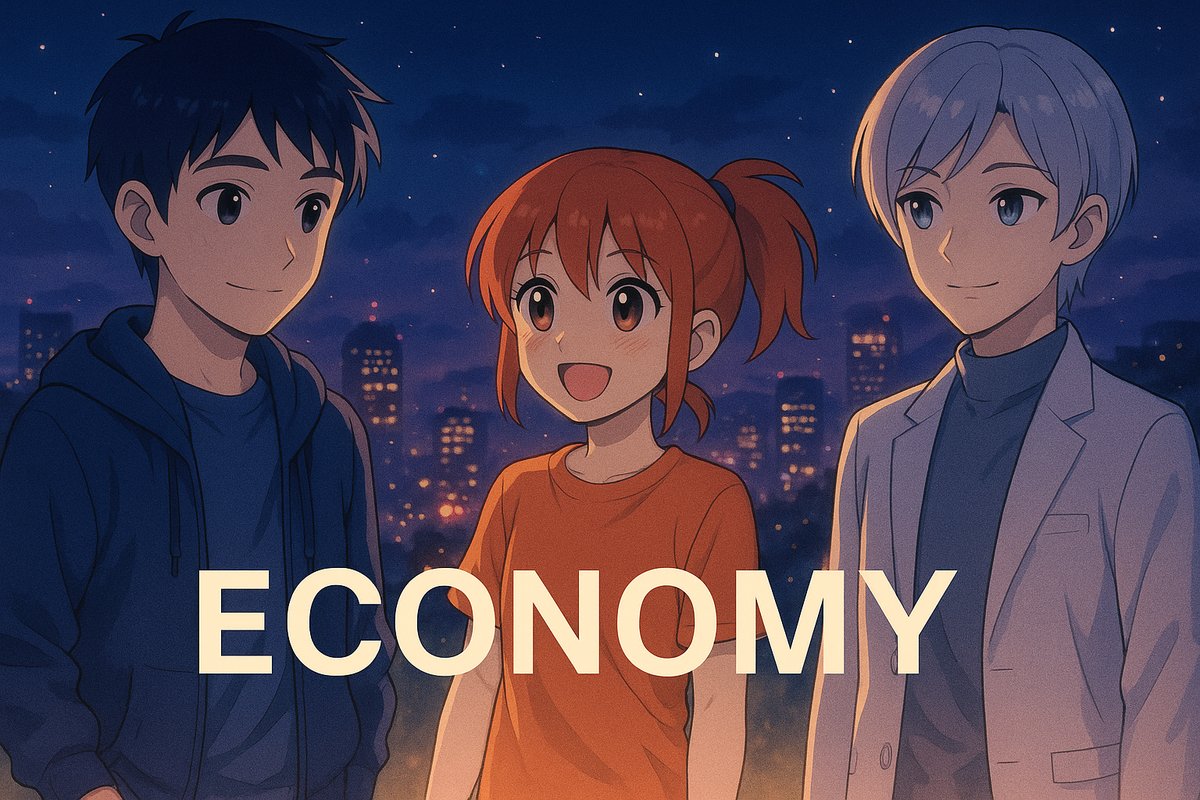
💬 チャコたちの会話に耳をすませてみると…

ログ:
最近、日本の長期金利が3%を突破したって聞いた?これってかなり大きなニュースだな。

チャコ:
えー、そんなに高くなったの?何でそんなことになったの?
ログ:
いくつかの要因があるんだ。まず、海外の金利が上昇していることが一つ。特にアメリカとかドイツの金利が影響しているってことか。
チャコ:
なるほど、海外が上がると日本も影響受けるんだね!他には?
ログ:
日銀の利上げ観測も高まっているし、財政政策の影響も無視できないんだ。
チャコ:
あ!それってどういうこと?
ログ:
つまり、経済がデフレからインフレに変わってきているから、金利が上昇するのは自然な流れだってことだな。

ナヴィ:
デフレ型からインフレ型への移行は、金利上昇に伴う正常な現象と考えられます。
チャコ:
そうなんだ!それなら、ちょっと安心するかも!
📝 管理人のひとこと
この記事は、日本の金利上昇がどのように起こっているのかを理解する上で非常に重要な情報を提供しています。特に、デフレからインフレへの移行が金利に与える影響についての説明が分かりやすく、今後の経済状況を考える上での参考になります。チャコの疑問からも、金利上昇の理由が明確に整理されていることが伝わり、読者が興味を持つきっかけとなるでしょう。これからの経済の動向がどうなるのか、引き続き注目していきたいと思います。
この記事をシェアする:
🇬🇧 英語版を見る
Summary
Japan’s 10-year interest rate has surpassed 3% for the first time in nearly 30 years.
This increase is largely attributed to rising overseas interest rates, expectations of a rate hike by the Bank of Japan, and the impact of fiscal policy. In particular, interest rates in the United States and Germany are also on the rise, and Japan’s increase in rates can be seen as a natural phenomenon as the economy transitions from deflation to inflation. Additionally, the projected budget request for the fiscal year 2027 is expected to exceed 143 trillion yen, which may also be influencing the rise in interest rates.
Dialogue
This dialogue is fictional and based on the article.
Log: Have you heard that Japan’s long-term interest rates have surpassed 3% recently? That’s quite big news.
Chako: Wow, has it really gone up that much? What caused that?
Log: There are several factors. First, interest rates overseas are rising. Particularly, rates in the U.S. and Germany are having an impact.
Chako: I see, so when rates go up abroad, Japan gets affected too! What else?
Log: There’s also an increasing speculation about the Bank of Japan raising rates, and we can’t ignore the influence of fiscal policy.
Chako: Oh! What does that mean?
Log: It means that the economy is shifting from deflation to inflation, so it’s natural for interest rates to rise.
Navi: The transition from a deflationary to an inflationary economy is considered a normal phenomenon associated with rising interest rates.
Chako: I see! That makes me feel a bit more reassured!
Admin’s Note
This article provides crucial information for understanding how interest rates are rising in Japan. In particular, the clear explanation of how the transition from deflation to inflation impacts interest rates serves as a valuable reference for considering future economic conditions. Chako’s questions effectively highlight the reasons behind the rise in interest rates, which will likely pique readers’ interest. I look forward to keeping an eye on how the economic landscape unfolds from here.


 English
  日本語
日本語
コメント