📰 ニュースまとめ
企業や政党が『女性活躍』や『ジェンダー平等』をアピールしながら実態が伴っていない状態を指す「女性ウオッシュ」という言葉が注目されています。
2026年2月の衆院選で高市氏が女性初の総理に就任したものの、組織内の女性比率や具体的な政策が不十分であるという懸念があります。特に、女性リーダーの存在が課題解決の後回しにつながる可能性が指摘され、制度や法律の抜本的な改革が求められています。
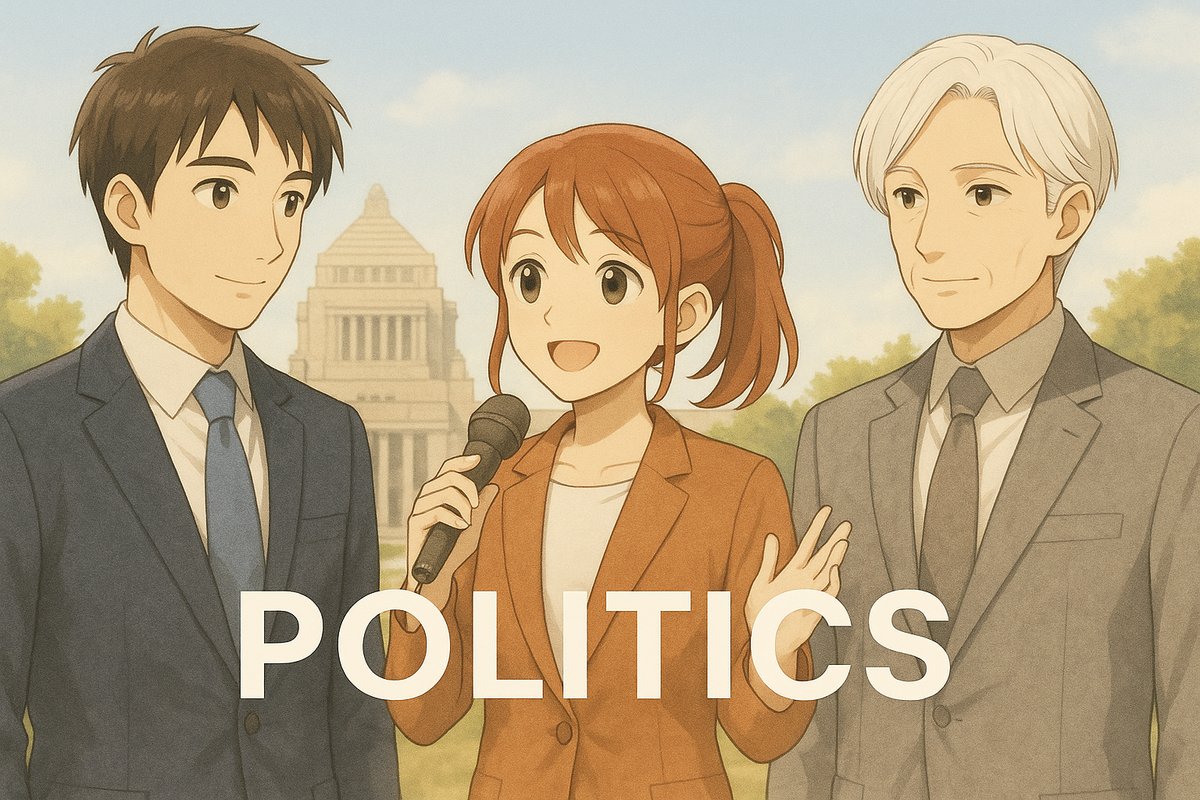
💬 チャコたちの会話に耳をすませてみると…

ログ:
ねえチャコ、最近の政治で『女性ウオッシュ』って言葉を耳にすることが増えたよな。これって何だと思う?

チャコ:
えー、なんか表面だけのことってこと?それじゃ意味ないよね!
ログ:
その通りだな。実際には女性リーダーがいても、組織内の女性比率が低いと意味が薄いんだ。

ナヴィ:
補足しますと、リーダーシップの女性化は重要ですが、実態が伴わなければ信頼を損ねる可能性があります。
チャコ:
なるほど、イメージだけじゃダメなんだね!もっと具体的な取り組みが必要だよ!
📝 管理人のひとこと
この記事では、女性リーダーが増える中での『女性ウオッシュ』という現象に焦点が当てられています。特に、高市氏の登場が女性にとって希望の光でありつつも、実際の政策が伴わなければ意味がないという指摘が印象的でした。私たちとしても、表面的なアピールに惑わされることなく、実態を冷静に見極める姿勢が求められます。この問題は、より多くの人に知ってもらいたい重要なテーマです。
この記事をシェアする:
🇬🇧 英語版を見る
Summary
The term “women-washing” has garnered attention, referring to the situation where companies and political parties promote “women’s empowerment” and “gender equality” without any substantial actions to back these claims.
Although Ms. Takai is set to become Japan’s first female Prime Minister in the House of Representatives election in February 2026, there are concerns about the insufficient representation of women within organizations and a lack of concrete policies. In particular, it has been pointed out that the presence of female leaders may lead to postponing solutions to existing issues, highlighting the need for fundamental reforms in systems and laws.
Dialogue
This dialogue is fictional and based on the article.
Log: Hey Chako, I’ve been hearing the term “women-washing” more often in recent politics. What do you think it means?
Chako: Hmm, does it refer to something that’s just superficial? That wouldn’t mean anything!
Log: Exactly. Even if there are female leaders, if the percentage of women in the organization is low, it loses its significance.
Navi: To add to that, while increasing female leadership is important, if the reality doesn’t match, it could undermine trust.
Chako: I see, so just having an image isn’t enough! We need more concrete actions!
Admin’s Note
This article focuses on the phenomenon of “women-washing” as the number of female leaders increases. In particular, the emergence of Ms. Takai is seen as a beacon of hope for women, but the observation that it would be meaningless without actual policies to back it up was striking. We too must maintain a calm perspective and not be swayed by superficial appeals, instead aiming to discern the reality of the situation. This issue is an important theme that needs to be more widely recognized.


 日本語
日本語  English
コメント