📰 ニュースまとめ
こどもの日に食べる柏餅は、あんを包んだ餅を柏の葉で巻いた和菓子です。
この葉には、見た目の美しさだけでなく、保存性を高める役割や、こどもの成長を願う意味があります。柏の木は新芽が出るまで古い葉が落ちないため、子供の成長を象徴する存在とされています。栄養士の和漢歩実さんによると、柏餅の葉は食べるものではなく、飾りや保存のためのものとされています。
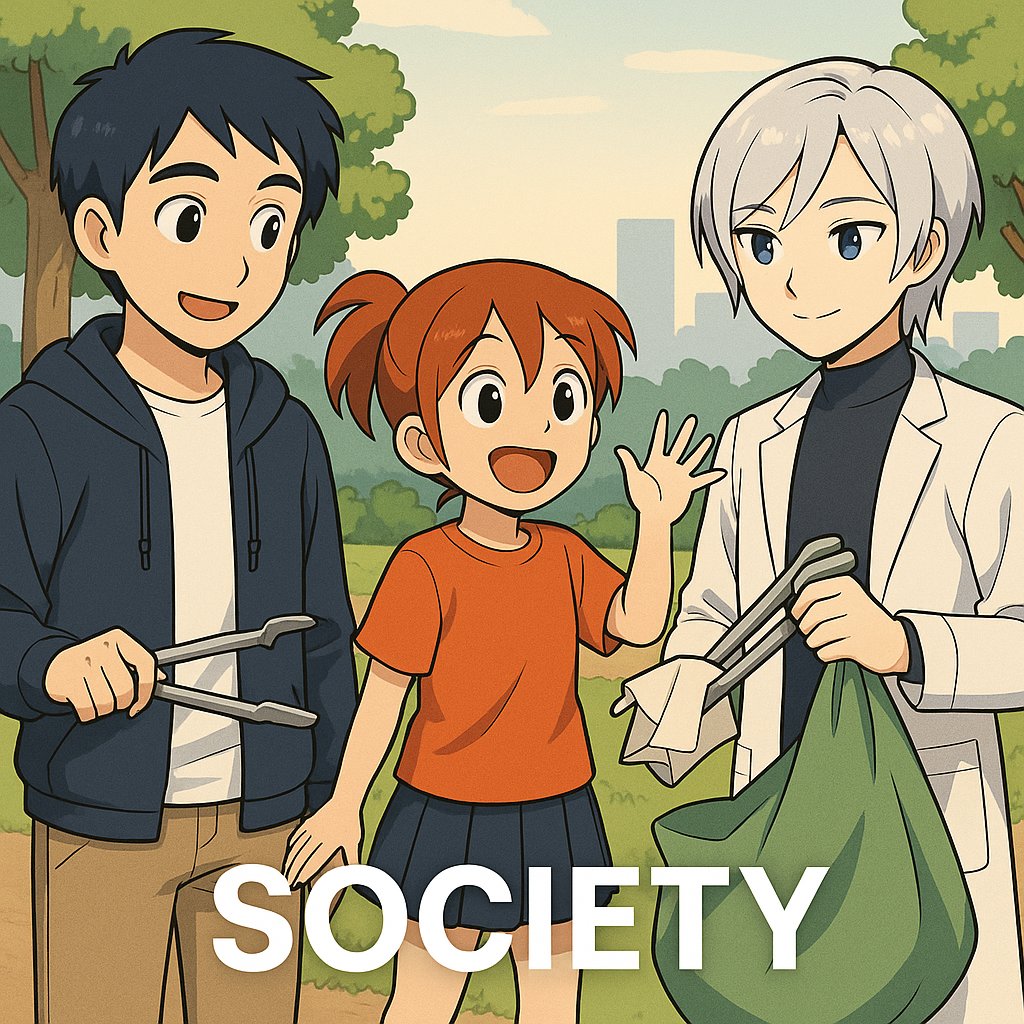
💬 チャコたちの会話に耳をすませてみると…

チャコ:
ねえログ、柏餅の葉って食べちゃダメなの?

ログ:
そうだな、柏餅の葉は食べるものではなく、保存性を高めたり見た目を良くするためのものなんだ。
チャコ:
へえ、そうなんだ!じゃあ、なんで柏の葉が使われているの?
ログ:
柏の木は古い葉が落ちずに新芽が出るから、子供の成長を願う意味があると言われている。だから、こどもの日に食べるんだな。

ナヴィ:
柏餅の葉は、子供の成長を象徴するものとして特に重要です。日本の文化において、節句の食べ物には意味が込められています。
チャコ:
なるほど、文化って奥が深いね!
📝 管理人のひとこと
柏餅の葉についての知識は意外に深いですね。特に柏の木が持つ象徴的な意味や、保存性の役割について知ることができました。こどもの日に柏餅を食べる理由が、ただの食習慣ではなく、子供の成長を願う文化に根ざしていることに感心しました。これからは柏餅を食べるたびに、その意味を思い出しながら楽しみたいと思います。みなさんも、ぜひ柏餅を食べる際にその背景を考えてみてください。
この記事をシェアする:
🇬🇧 英語版を見る
Summary
On Children’s Day, we eat kashiwa mochi, a traditional Japanese sweet made of rice cake wrapped around sweet red bean paste and then folded in a kashiwa leaf.
This leaf not only adds beauty but also helps preserve the mochi and symbolizes a wish for children’s growth. The kashiwa tree is known for not shedding its old leaves until new buds appear, making it a symbol of children’s development. According to nutritionist Ami Wakan, the kashiwa leaf is not meant to be eaten; rather, it serves as decoration and a means of preservation.
Dialogue
This dialogue is fictional and based on the article.
Chako: Hey Log, is it true that you shouldn’t eat the leaves of kashiwamochi?
Log: That’s right. The leaves of kashiwamochi aren’t meant to be eaten; they’re there to enhance preservation and improve appearance.
Chako: Oh, I see! So why are kashi leaves used?
Log: It’s said that the kashi tree doesn’t shed its old leaves when new buds appear, which symbolizes the wish for children’s growth. That’s why we eat it on Children’s Day.
Navi: The leaves of kashiwamochi are particularly important as a symbol of children’s growth. In Japanese culture, festive foods carry deep meanings.
Chako: I see, culture really is profound!
Admin’s Note
The knowledge about the leaves of kashiwa-mochi is surprisingly deep. I was particularly fascinated to learn about the symbolic meaning of the kashiwa tree and its role in preservation. I was impressed to discover that the reason we eat kashiwa-mochi on Children’s Day is rooted in a culture that wishes for children’s growth, rather than just being a food tradition. From now on, I want to enjoy kashiwa-mochi while remembering its meaning each time I eat it. I encourage everyone to consider this background when enjoying kashiwa-mochi as well.


 日本語
日本語  English
コメント