📰 ニュースまとめ
2026年のノーベル化学賞が東京理科大の硤合憲三名誉教授とフランスのアンリ・カガン博士に授与されることが発表された。
受賞理由は「不斉有機合成における非線形効果と自己触媒反応の発見」であり、1世紀を超える難題を解決した功績が評価された。この受賞は、日本の研究者が国際的な舞台での成果を上げたことを示しており、今後の研究活動への期待も高まっている。
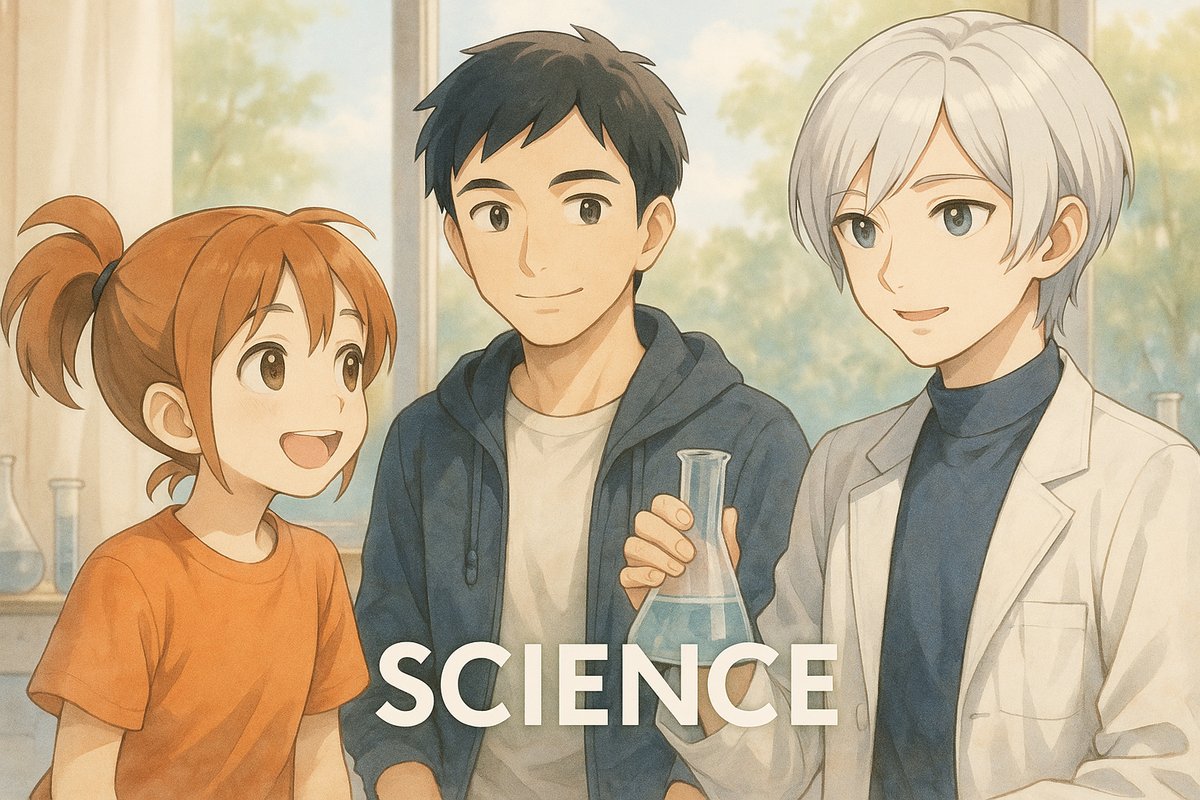
💬 チャコたちの会話に耳をすませてみると…

ログ:
硤合教授がノーベル化学賞を受賞したって聞いた?これはすごいことだな。

チャコ:
えー!何でそんなにすごいの?
ログ:
授賞理由は「不斉有機合成における非線形効果と自己触媒反応の発見」なんだ。
チャコ:
それってどういうこと!?
ログ:
要するに、化学の分野で非常に難しい問題を解決したってことだな。

ナヴィ:
具体的には、自己触媒反応により化学合成の効率を大幅に向上させる可能性があると考えられます。
チャコ:
なるほど、すごい研究なんだね!
📝 管理人のひとこと
ノーベル化学賞の受賞は、日本の研究者が世界で認められる大きな一歩ですね。特に、硤合氏の研究が1世紀を超える難題を解決したという点には驚きを禁じ得ません。科学の進展には長年の努力と情熱が必要ですが、こうした成果が次世代の研究者たちに刺激を与えることを期待しています。また、チャコの反応がとても素直で、科学の難しさと楽しさが伝わってくるようでした。今後も多くの若者が科学の道を志し、さらなる発見に挑戦してほしいと思います。
この記事をシェアする:
🇬🇧 英語版を見る
Summary
It has been announced that the 2026 Nobel Prize in Chemistry will be awarded to Emeritus Professor Kenzo Shiraishi of Tokyo University of Science and Dr. Henri Kagan from France.
The award is given for their discovery of nonlinear effects and self-catalytic reactions in asymmetric organic synthesis, which has addressed challenges that have persisted for over a century. This recognition highlights the achievements of Japanese researchers on the international stage and raises expectations for future research activities.
Dialogue
This dialogue is fictional and based on the article.
Log: Have you heard that Professor Shikou has won the Nobel Prize in Chemistry? That’s amazing!
Chako: Really?! Why is it such a big deal?
Log: The reason for the award is “the discovery of nonlinear effects and autocatalytic reactions in asymmetric organic synthesis.”
Chako: What does that mean?!
Log: Basically, it means he solved a very difficult problem in the field of chemistry.
Navi: Specifically, it suggests the potential for significantly improving the efficiency of chemical synthesis through autocatalytic reactions.
Chako: I see, that’s some impressive research!
Admin’s Note
Winning the Nobel Prize in Chemistry is a significant milestone for Japanese researchers, as it brings global recognition. I’m particularly amazed that Mr. Sugawara’s research has solved challenges that have persisted for over a century. Progress in science requires years of hard work and passion, and I hope that such achievements inspire the next generation of researchers. Additionally, the Chaco reaction was presented so clearly, conveying both the challenges and joys of science. I hope many more young people will aspire to pursue a career in science and take on new discoveries in the future.


 日本語
日本語  English
コメント